
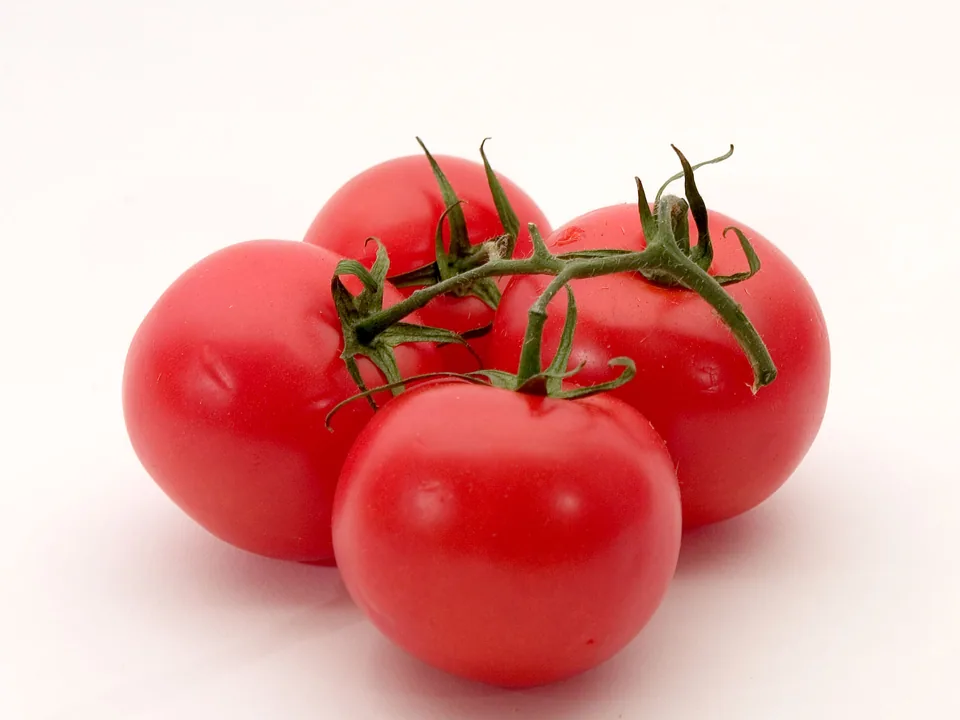
fruiting
Tomato
Solanum lycopersicum
Give indeterminate plants sturdy support and generous airflow.
- Spacing
- 24 in / 61 cm
- Typical harvest
- 60–90 days
- Light
- Full sun
- Start
- Transplant
Garden desk / 02
Compare vegetables, fruiting crops, herbs, and flowers by the conditions that change a plan: mature spacing, season, light, starting method, and container suitability.
Planting reference
37 of 37 crops
fruiting
Solanum lycopersicum
Give indeterminate plants sturdy support and generous airflow.
fruiting
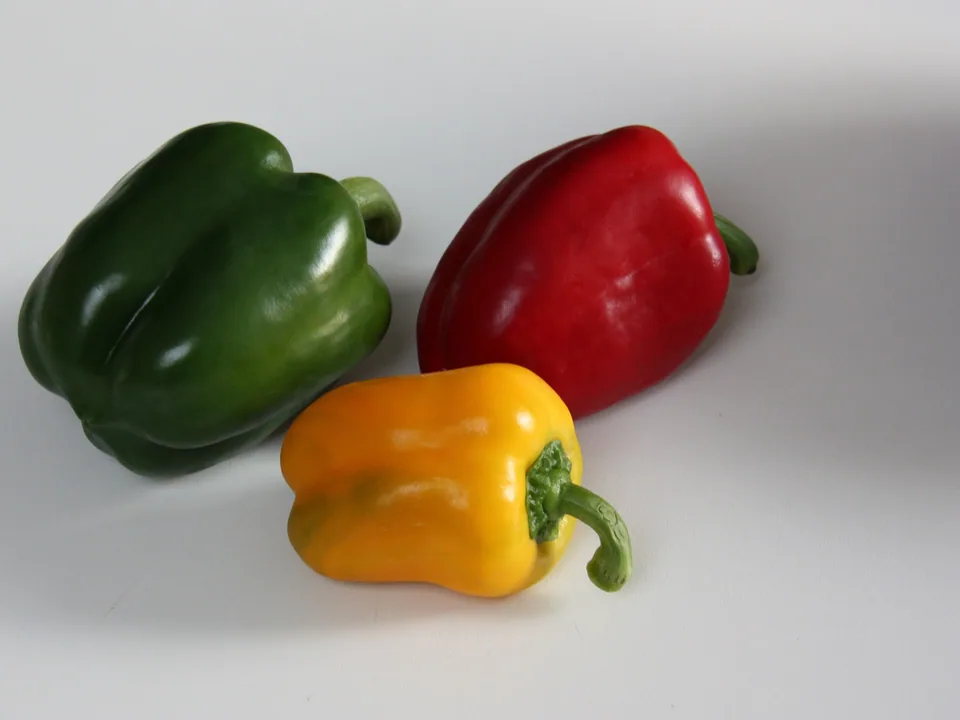
Capsicum annuum
Wait for warm soil; compact varieties perform well in containers.
fruiting
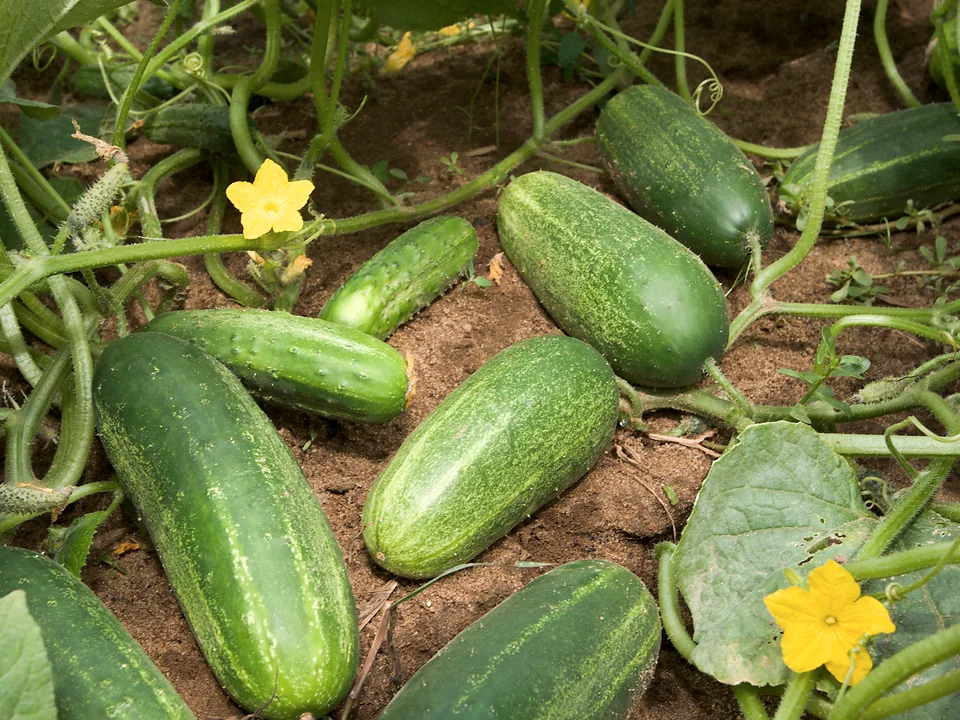
Cucumis sativus
Trellising saves bed space and keeps fruit easier to spot.
fruiting
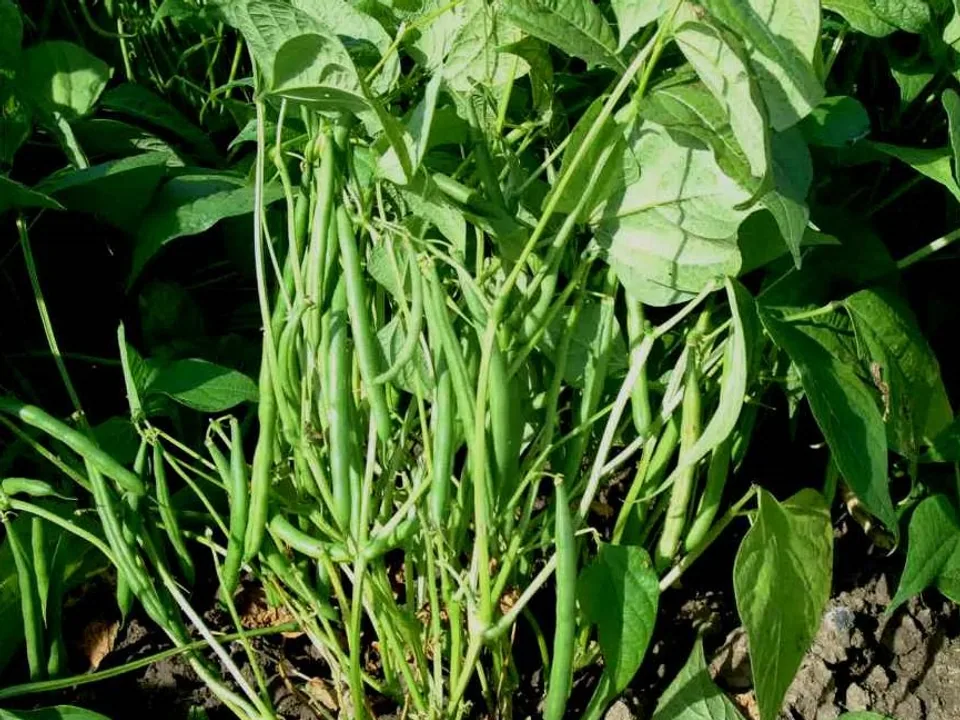
Phaseolus vulgaris
Sow small batches every couple of weeks for a longer harvest.
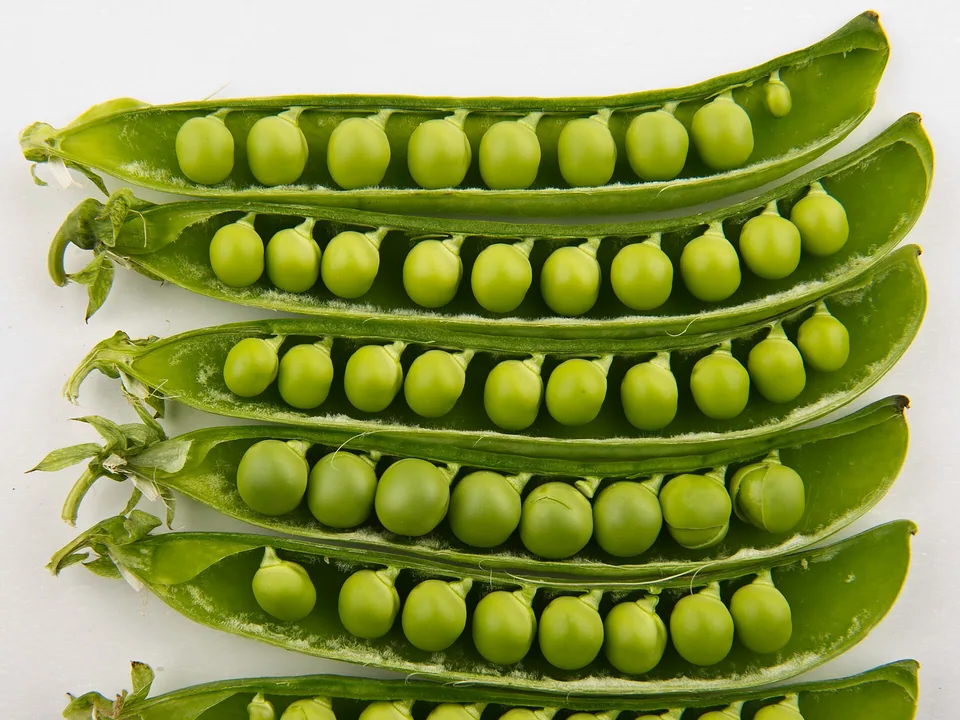
fruiting
Pisum sativum
Install the trellis before seedlings need it to protect tender roots.
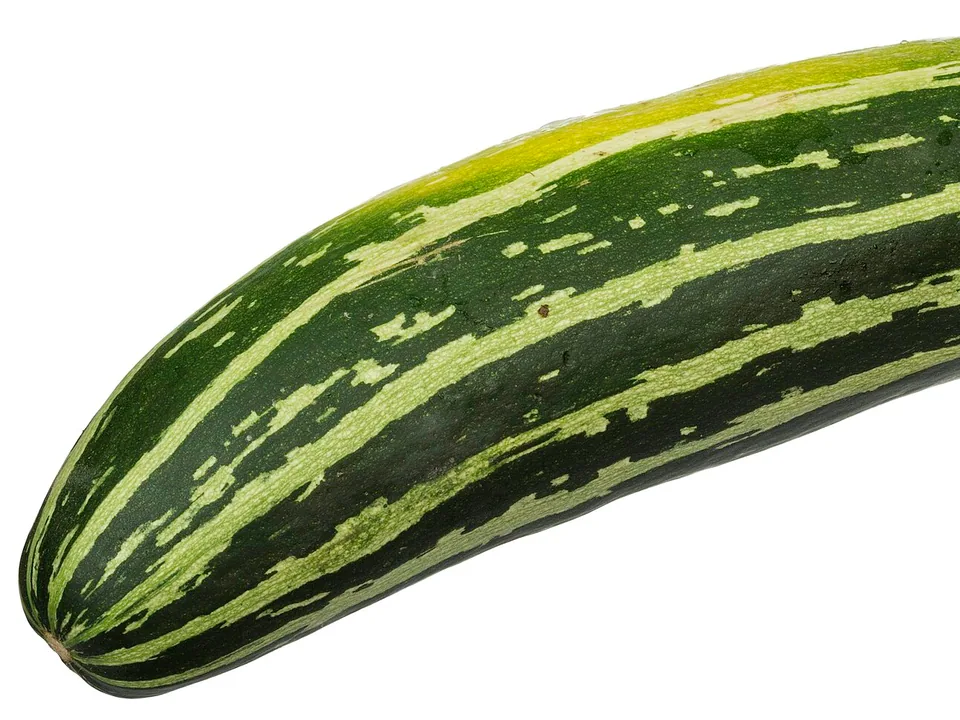
fruiting
Cucurbita pepo
One mature plant can occupy far more than a single square foot.
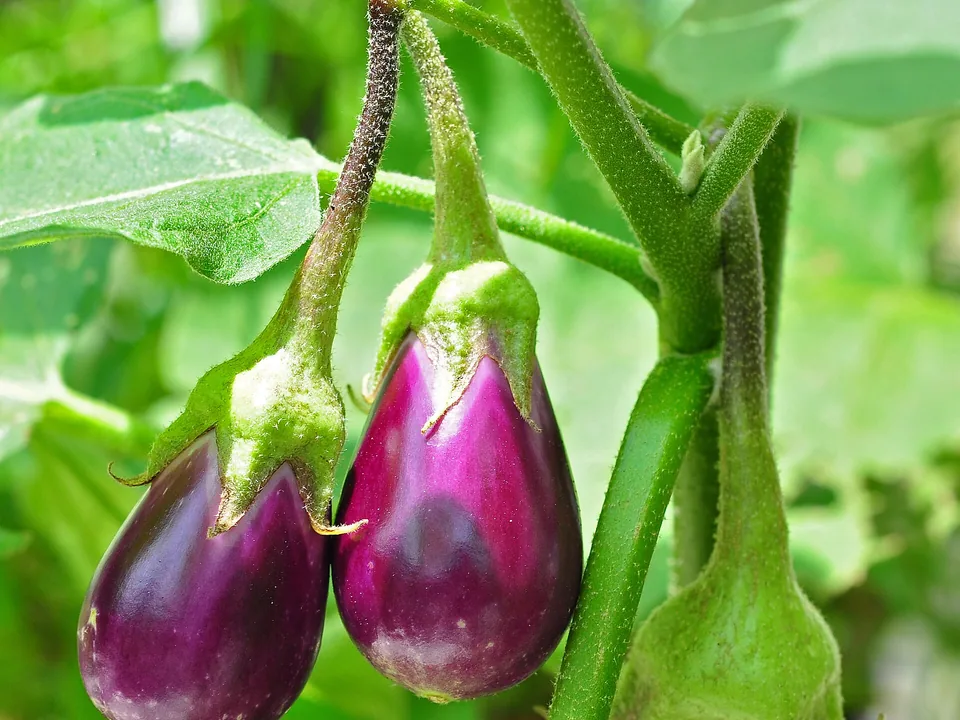
fruiting
Solanum melongena
Choose an early cultivar in cool summers and wait for reliably warm nights before planting out.
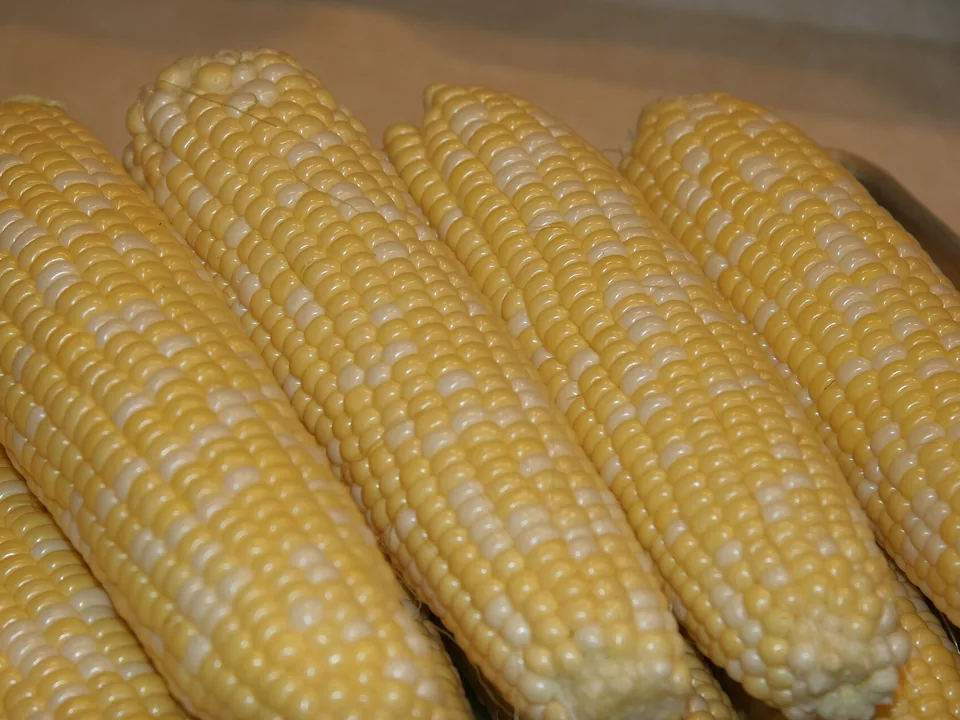
fruiting
Zea mays convar. saccharata
Plant a compact block rather than one long row so wind can move pollen between plants.
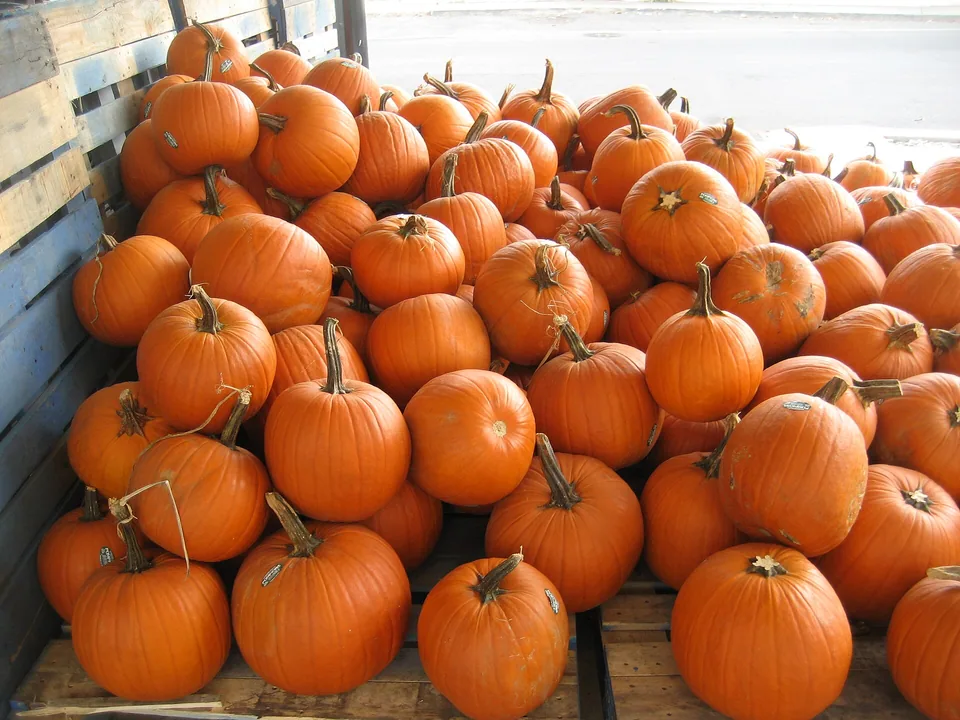
fruiting
Cucurbita pepo
Reserve generous vine space and use mature color, a hardened rind, and cultivar guidance as harvest cues.
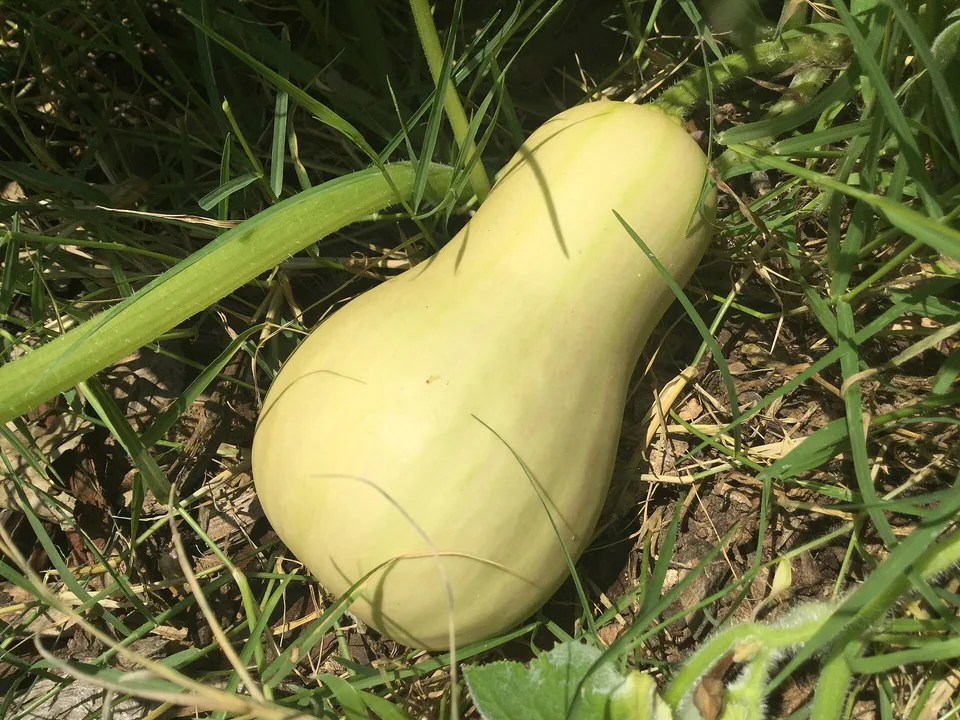
fruiting
Cucurbita maxima
Give long vines sturdy space, then cure only mature, undamaged fruit according to the cultivar.
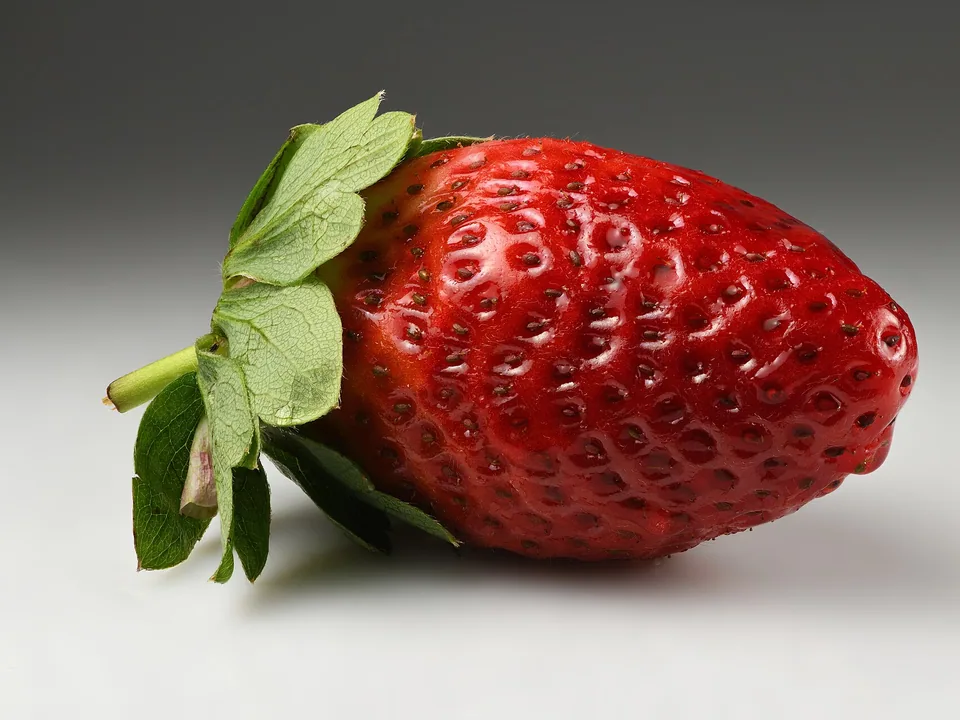
fruiting
Fragaria × ananassa
Match June-bearing or day-neutral habit to the harvest pattern and container space you want.
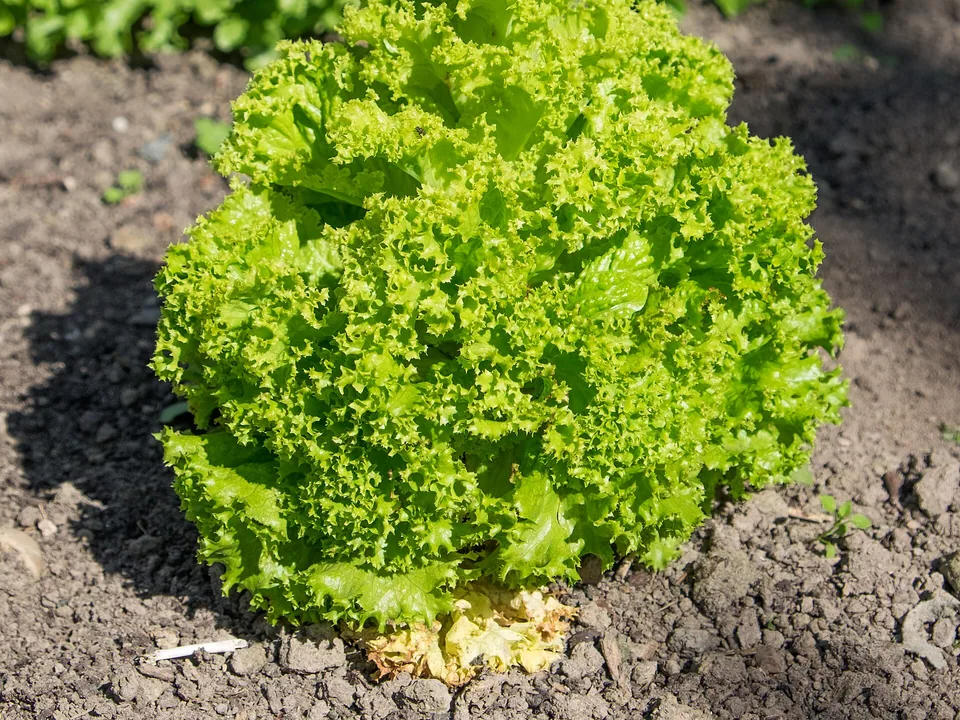
leafy
Lactuca sativa
Harvest outer leaves young or allow more room for full heads.
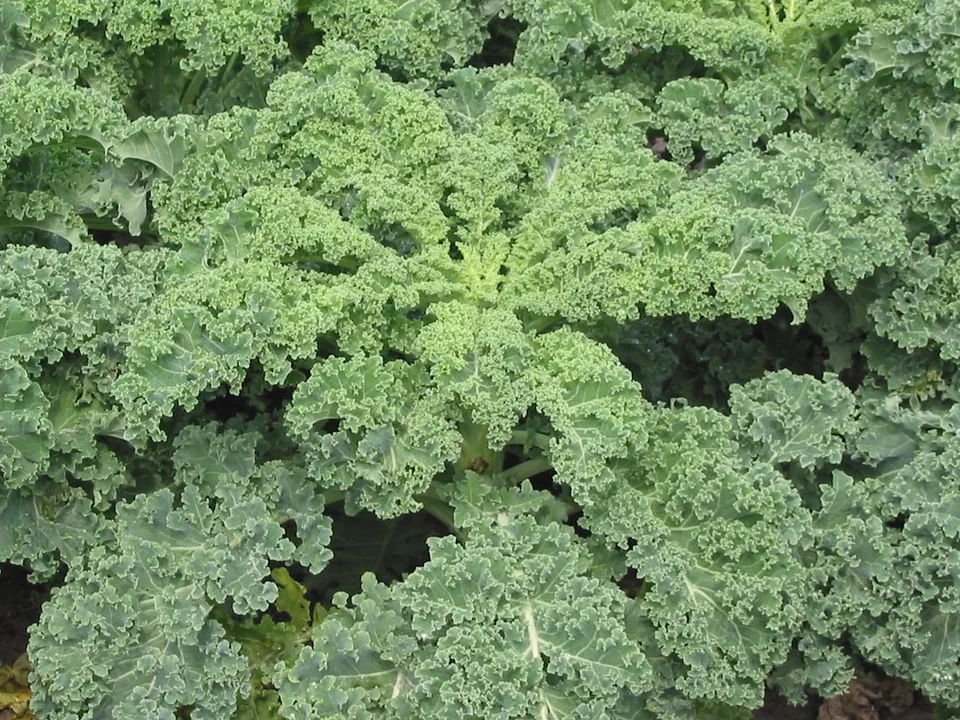
leafy
Brassica oleracea var. sabellica
Closer spacing suits baby leaves; full plants need the listed room.
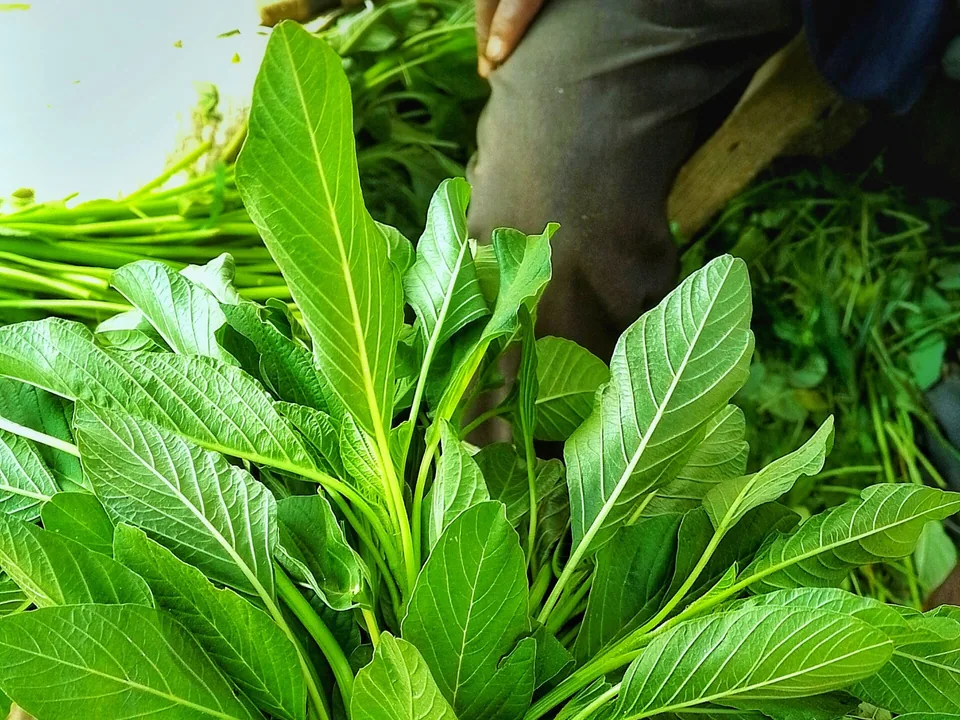
leafy
Spinacia oleracea
Best in cool conditions; heat and long days can trigger bolting.
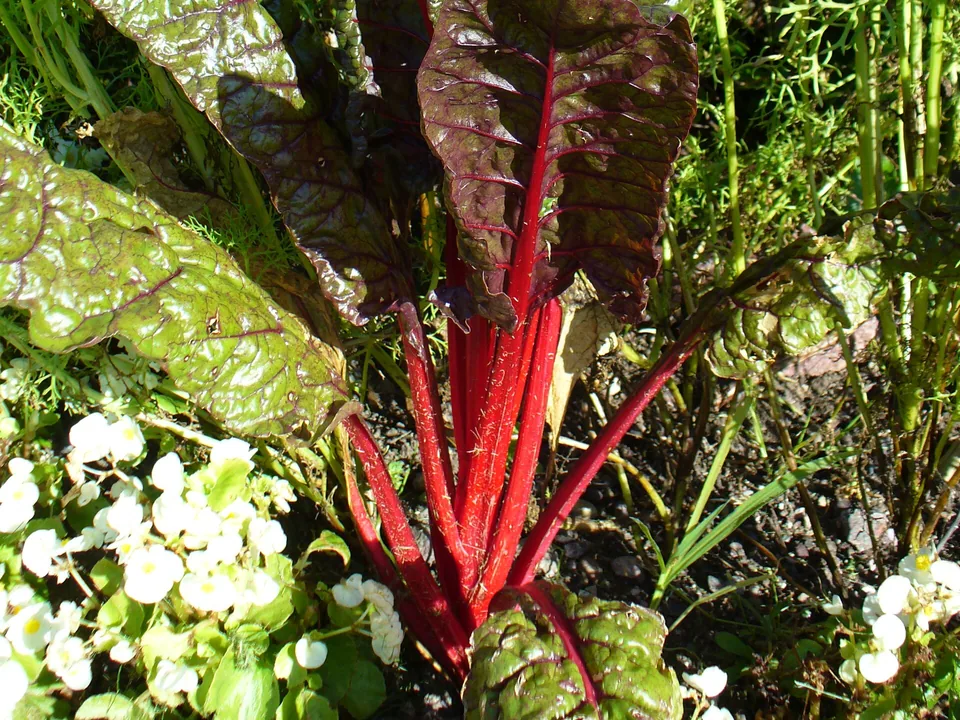
leafy
Beta vulgaris subsp. vulgaris
A long-season leafy crop that tolerates more heat than spinach.
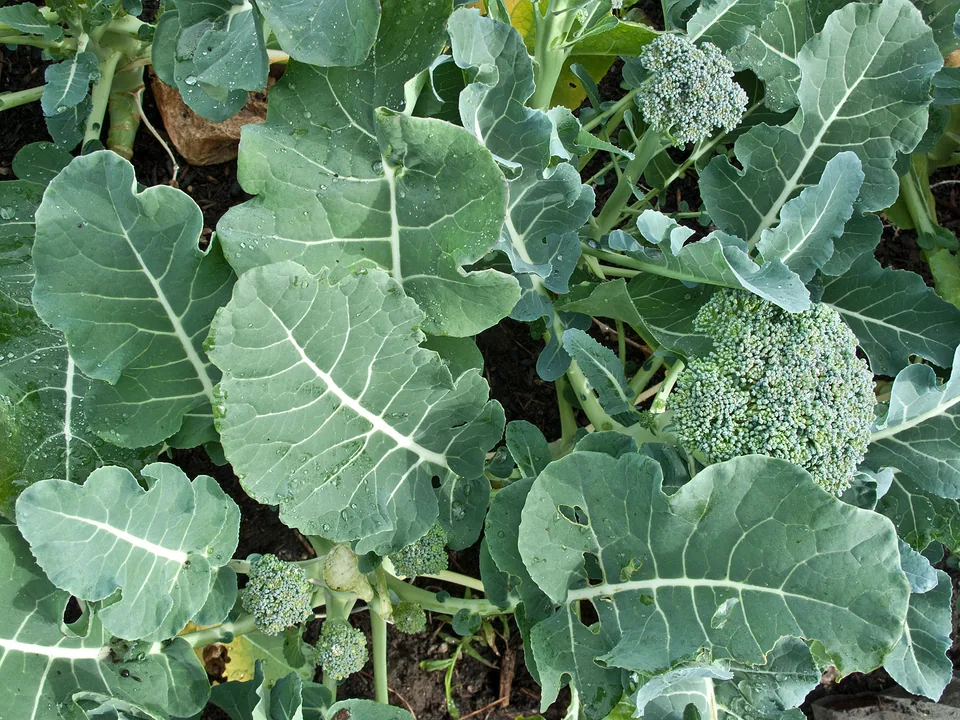
leafy
Brassica oleracea var. italica
Allow airflow and plan for the wide leaf canopy, not just the head.
leafy
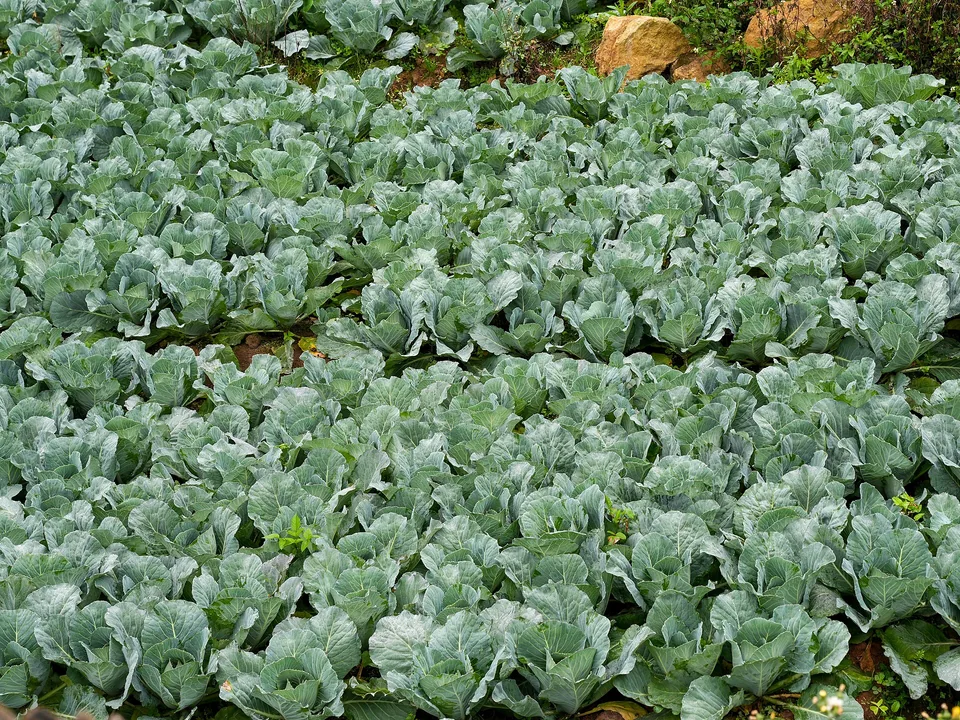
Brassica oleracea var. capitata
Select spring, summer, storage, or winter types deliberately; mature heads need firm soil and room.
leafy
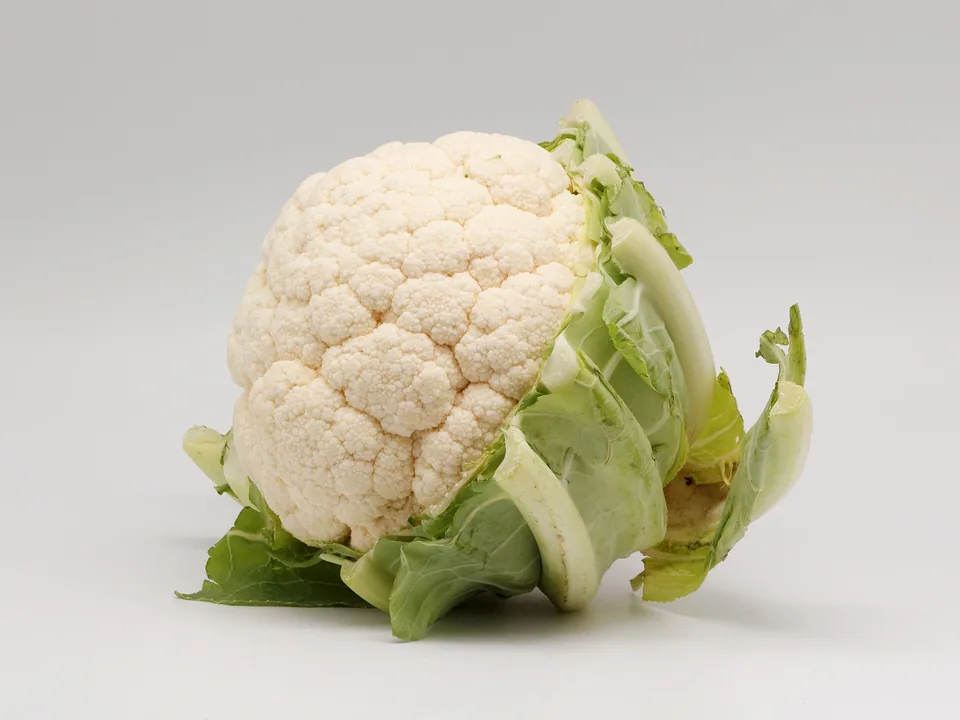
Brassica oleracea var. botrytis
Steady growth matters: protect transplants from checks caused by heat, drought, or tight roots.
leafy
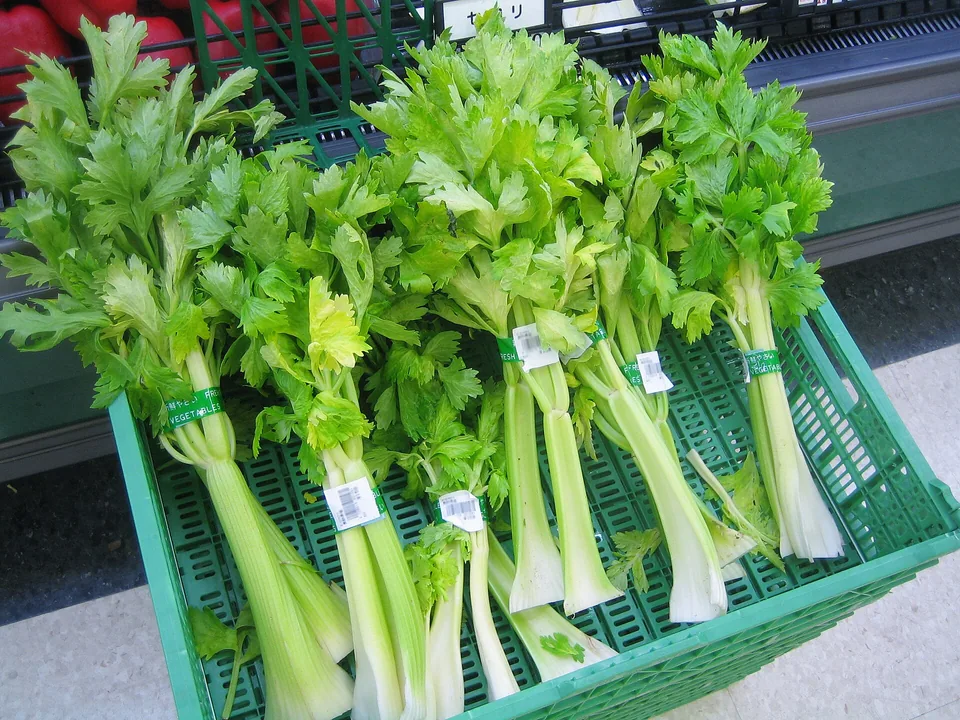
Apium graveolens var. dulce
Use rich soil and consistent moisture; slow germination makes an early protected start useful.
roots
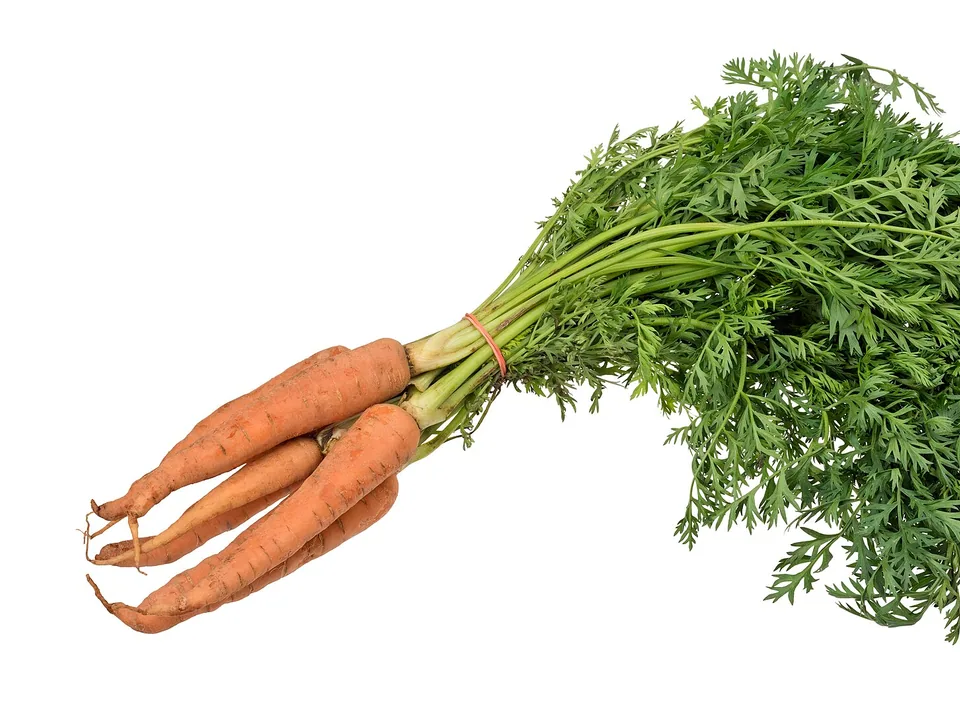
Daucus carota subsp. sativus
Use loose, stone-free soil and thin seedlings to their final spacing.
roots
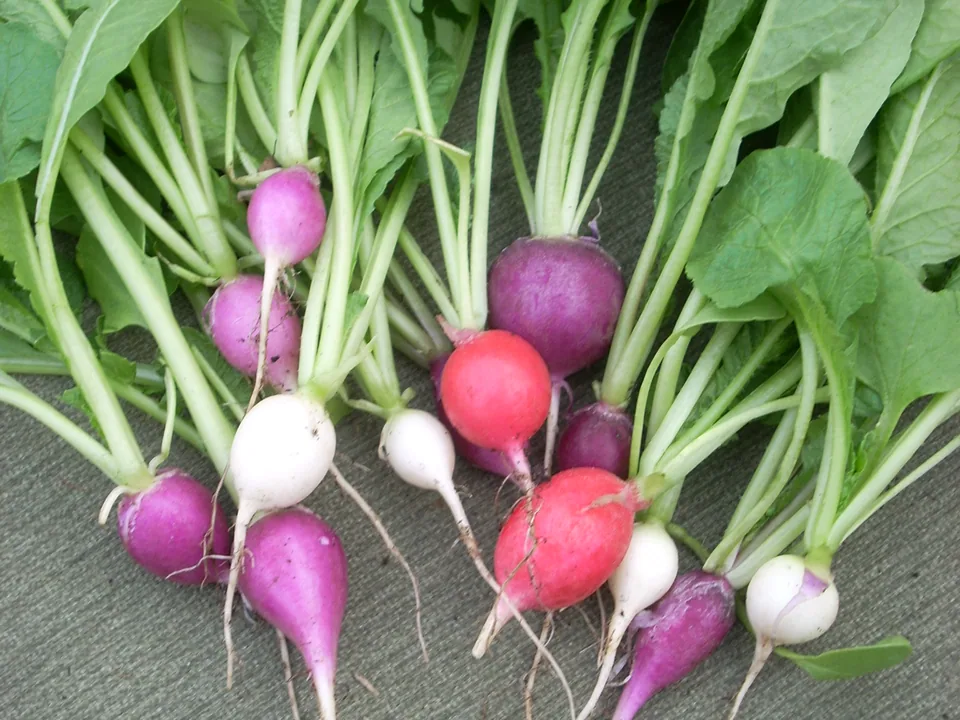
Raphanus sativus
Quick maturity makes radish useful between slower-growing crops.
roots
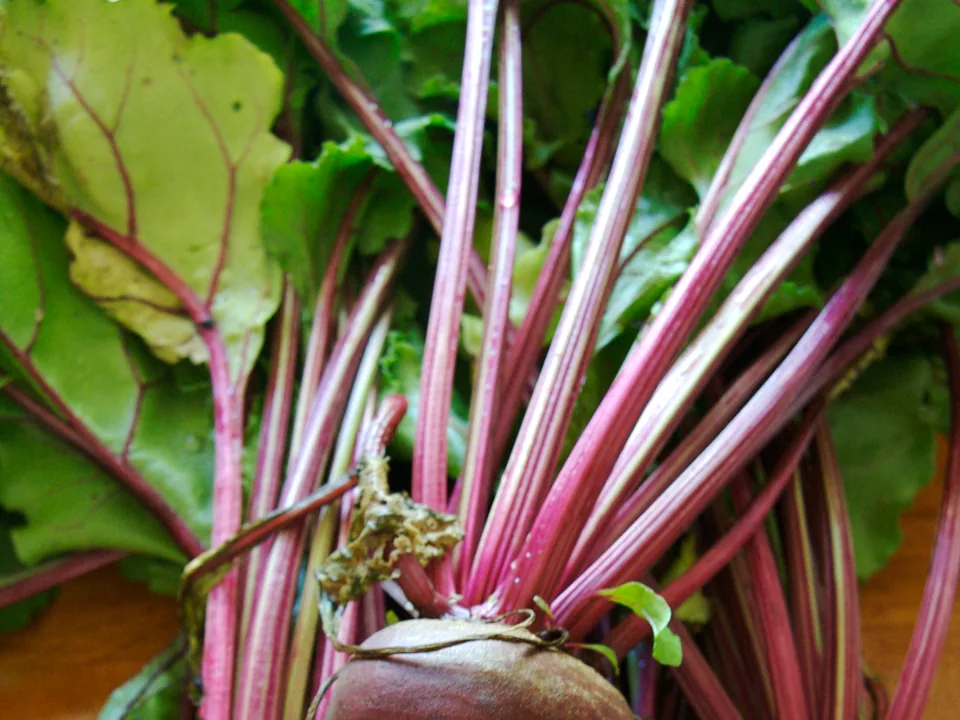
Beta vulgaris
Each seed cluster may produce several seedlings, so thinning matters.
roots
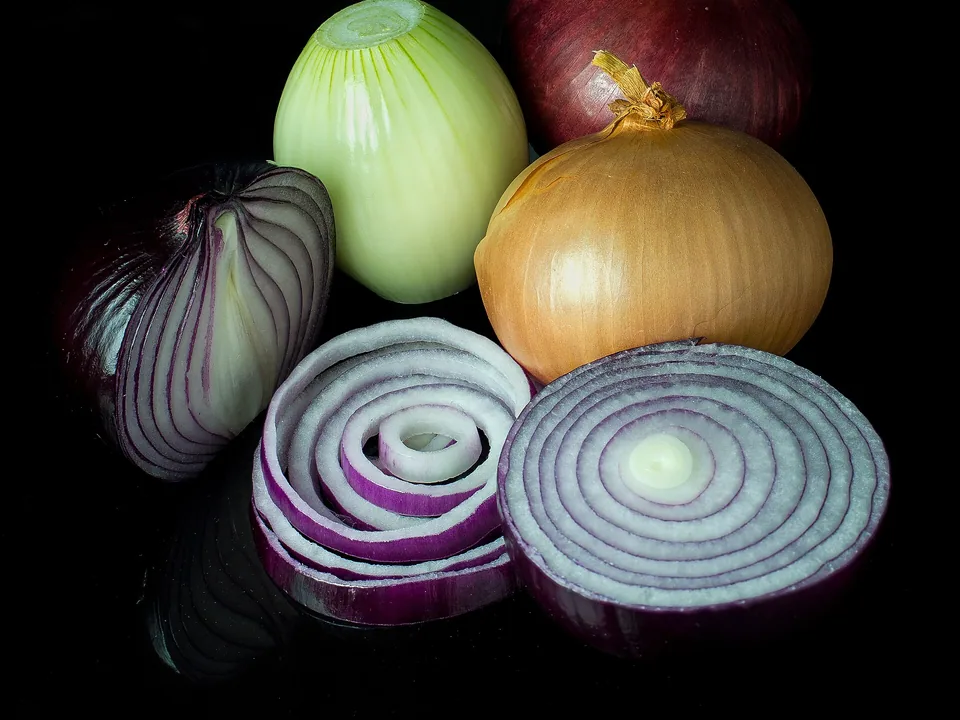
Allium cepa
Match day-length type to your latitude before choosing a variety.
roots
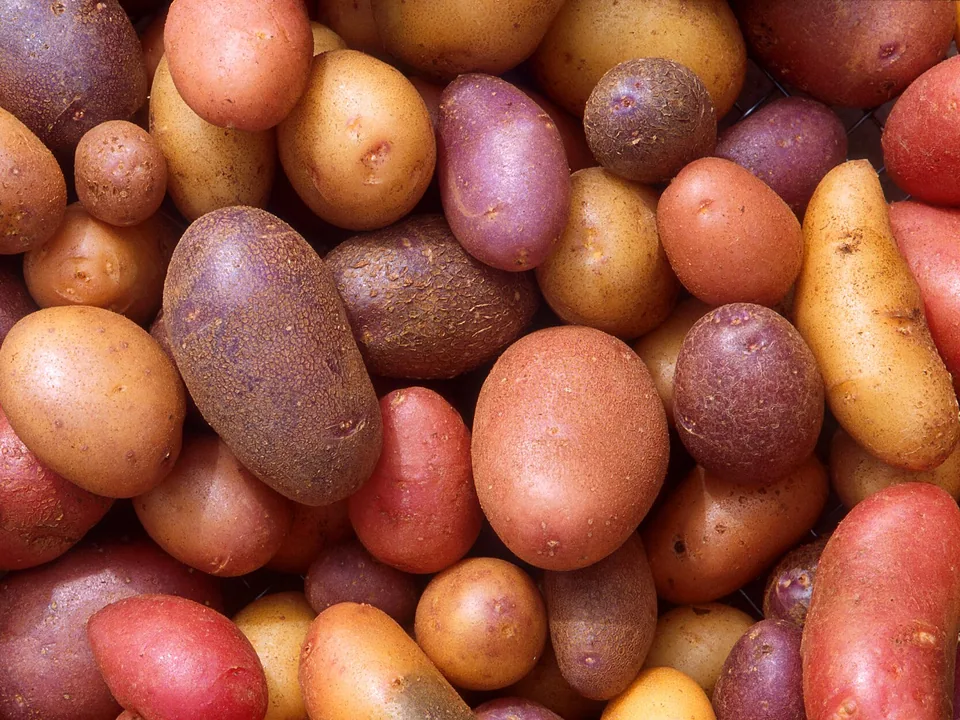
Solanum tuberosum
Use certified seed potatoes and combine early and maincrop types only when the season and storage plan fit.
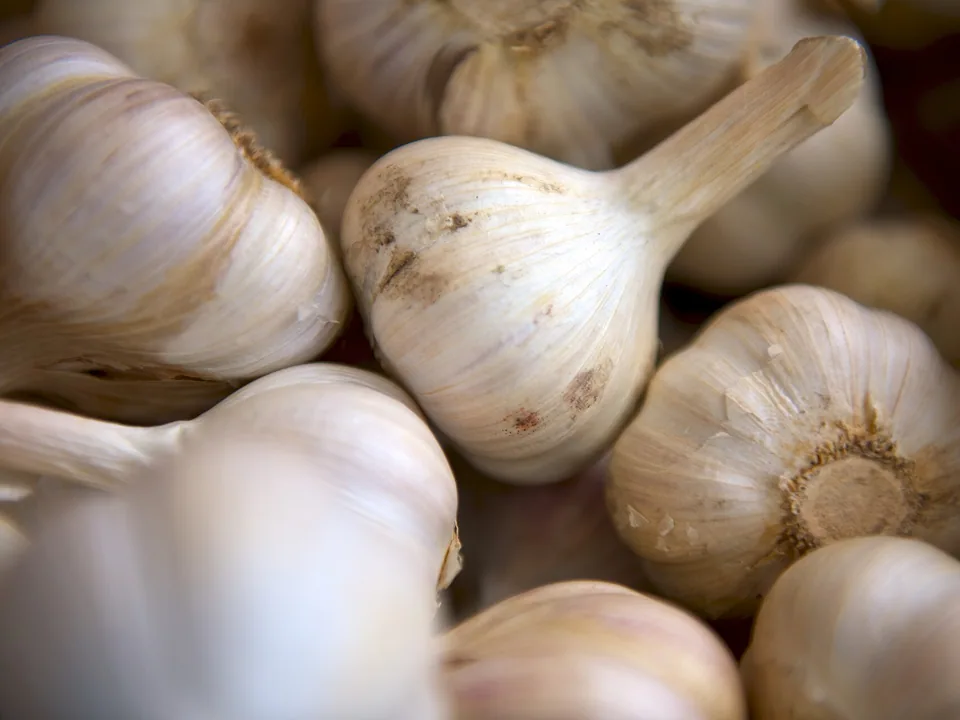
roots
Allium sativum
Plant healthy cloves pointed end up; autumn planting often supplies the cool period bulbs need.
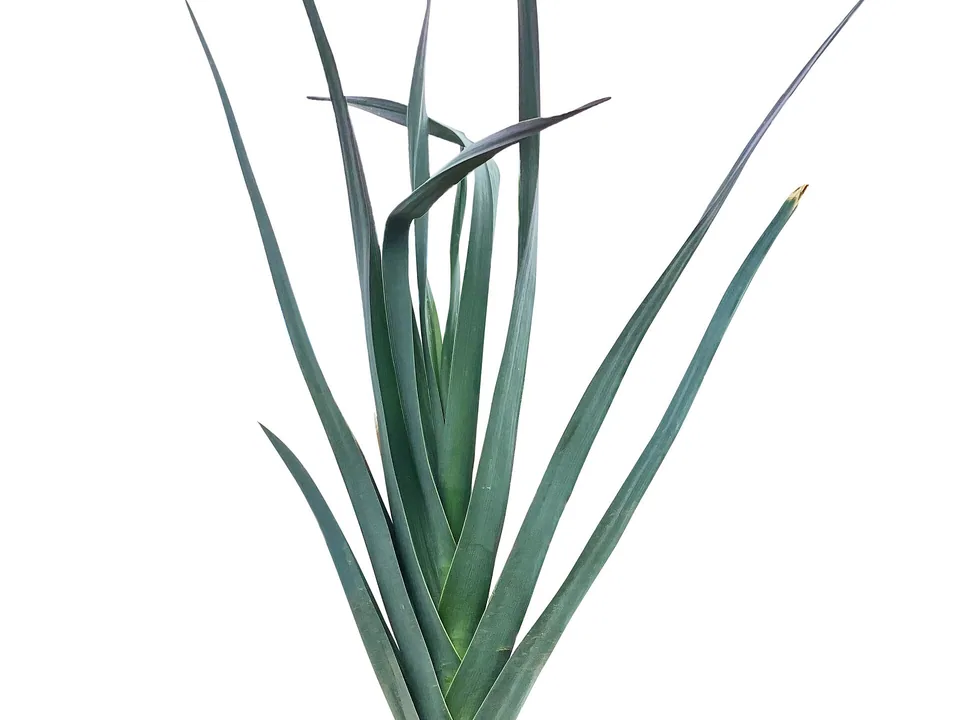
roots
Allium ampeloprasum var. porrum
Choose early, midseason, or late cultivars and transplant into deep holes for longer pale shanks.
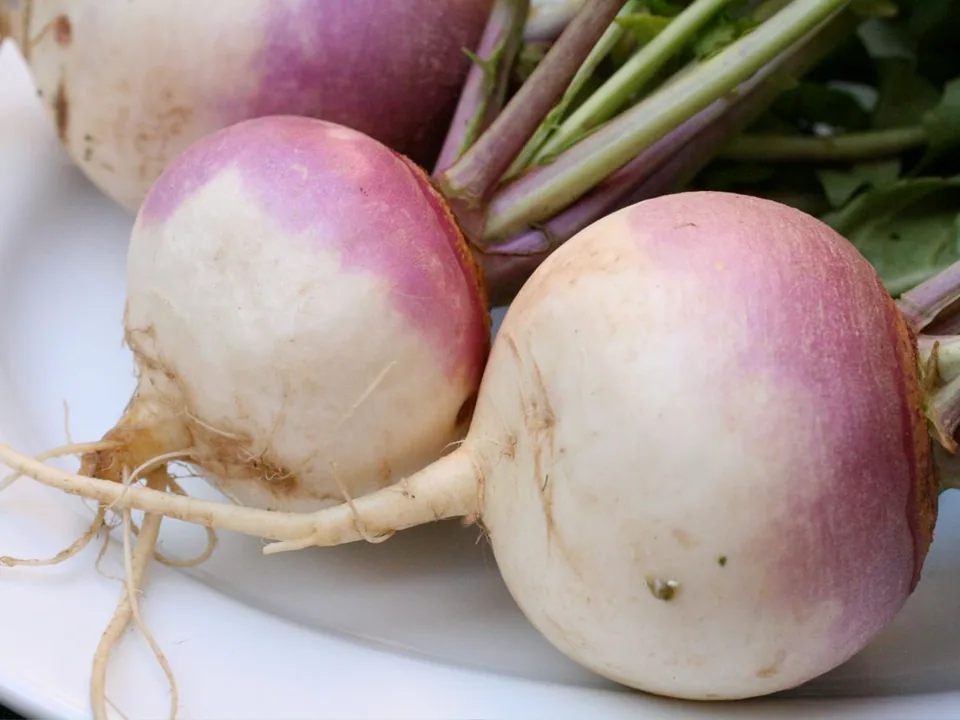
roots
Brassica rapa subsp. rapa
Sow small batches and harvest young roots before heat or slow growth makes them coarse.
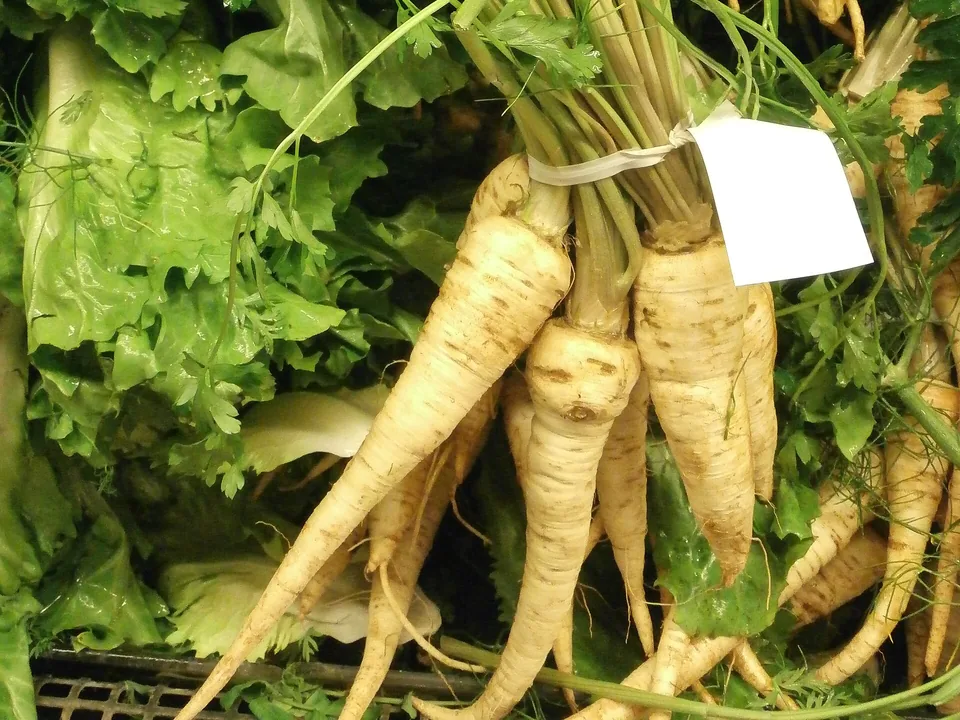
roots
Pastinaca sativa
Use fresh seed in deep, stone-free soil and expect slower germination than many quick root crops.
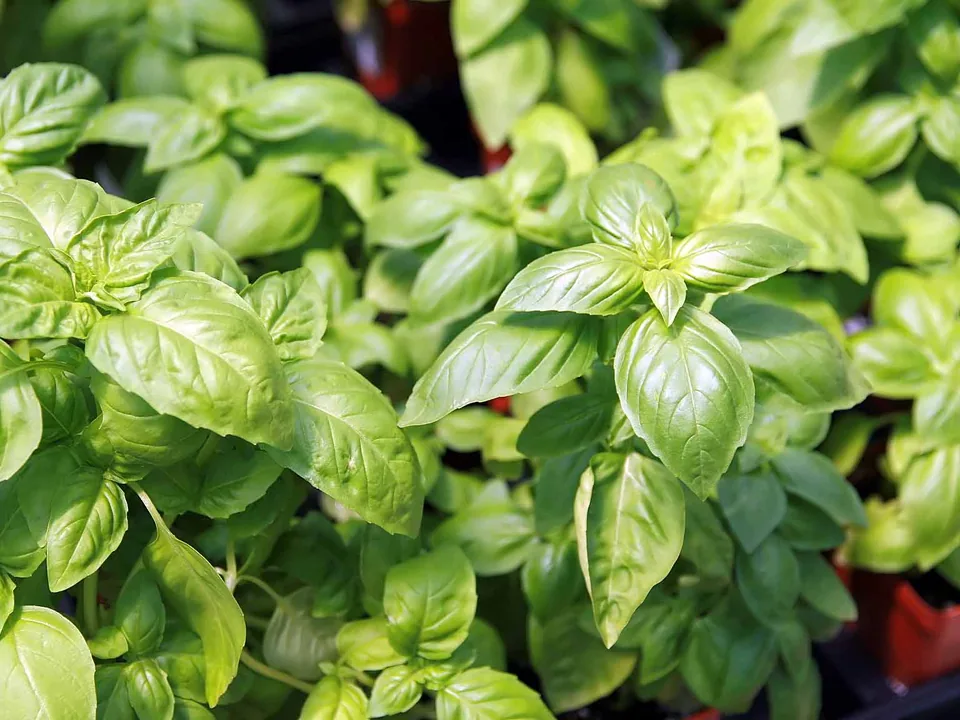
herbs
Ocimum basilicum
Pinch growing tips often to encourage a branching, leafy plant.
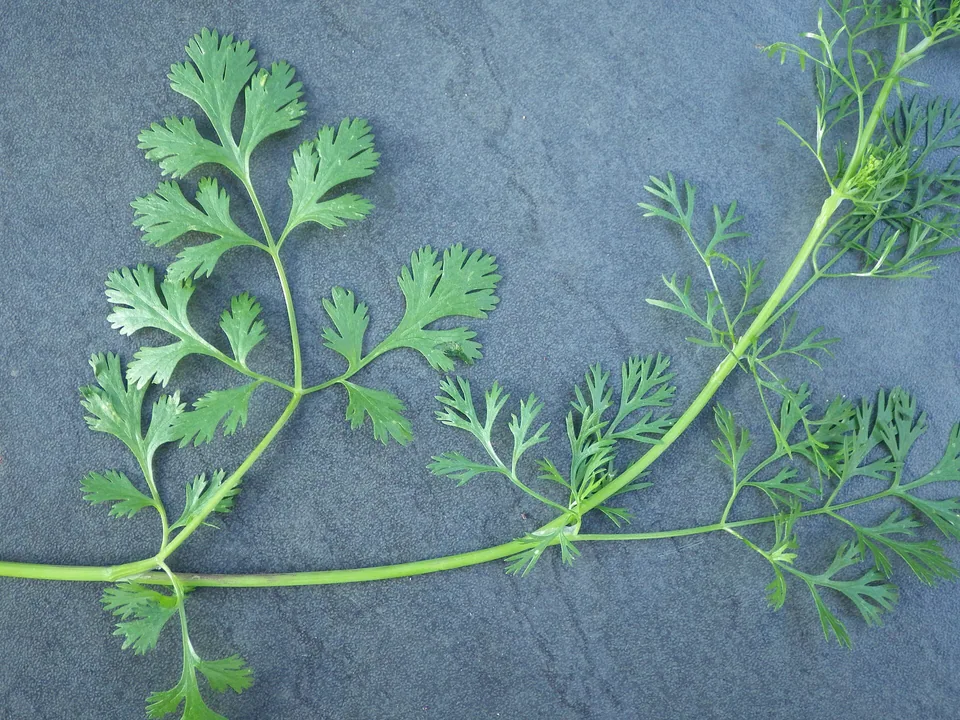
herbs
Coriandrum sativum
Succession sow because individual plants move quickly to flower.
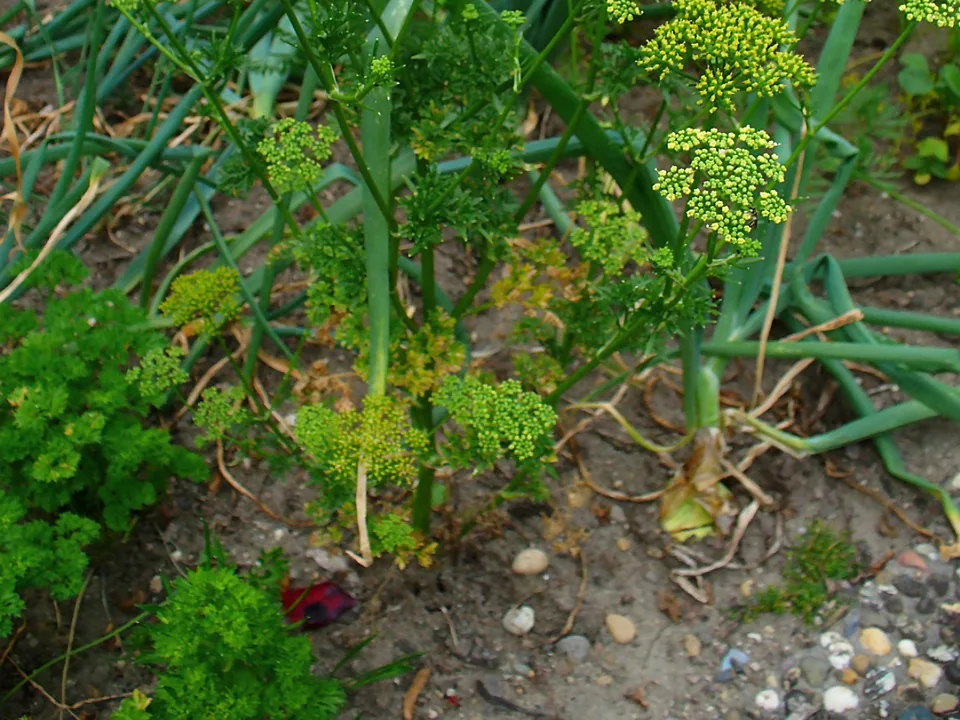
herbs
Petroselinum crispum
Germination can be slow; keep the seedbed evenly moist.
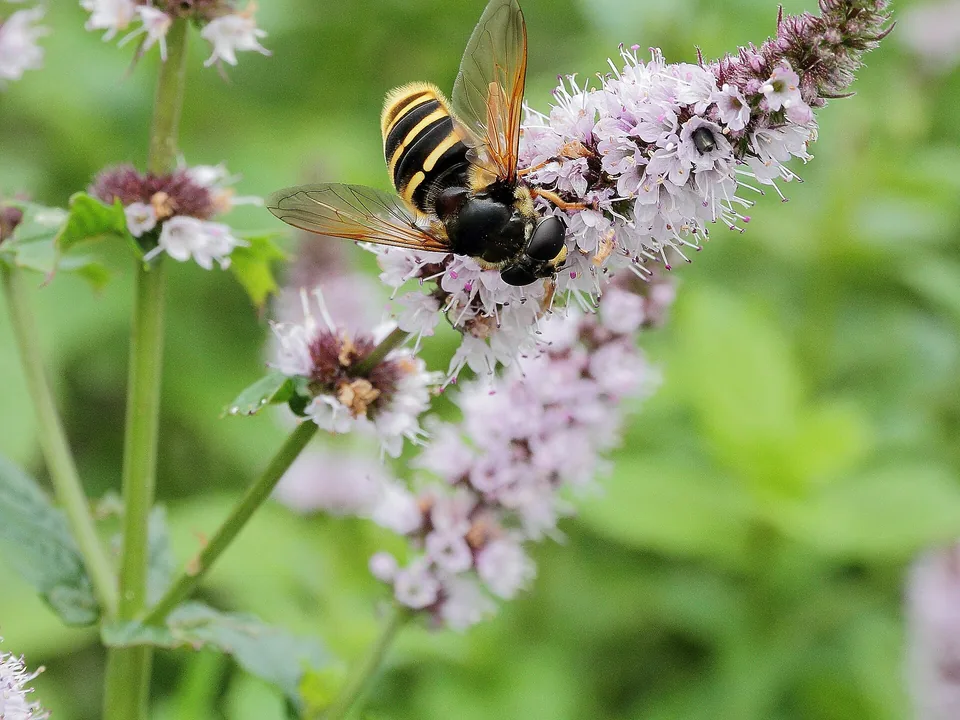
herbs
Mentha spp.
Keep spreading roots in a dedicated container unless you deliberately want the plant to travel.
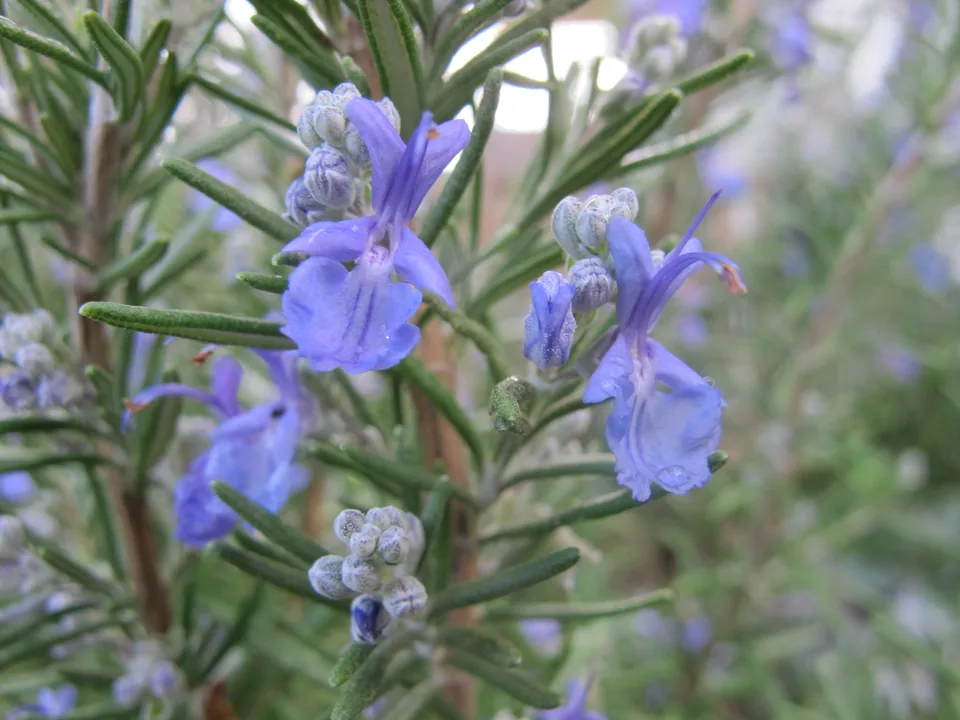
herbs
Salvia rosmarinus
Prioritize strong light and fast drainage, and match winter protection to local cold and wet.
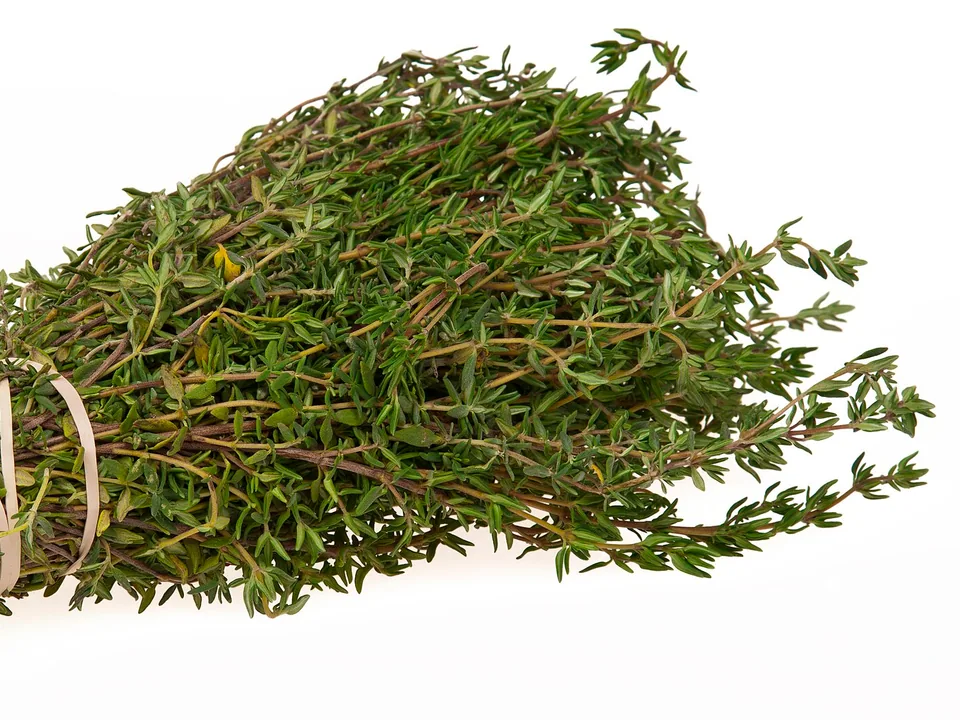
herbs
Thymus vulgaris
Use a sunny, sharply drained position and trim lightly to keep plants compact rather than woody.
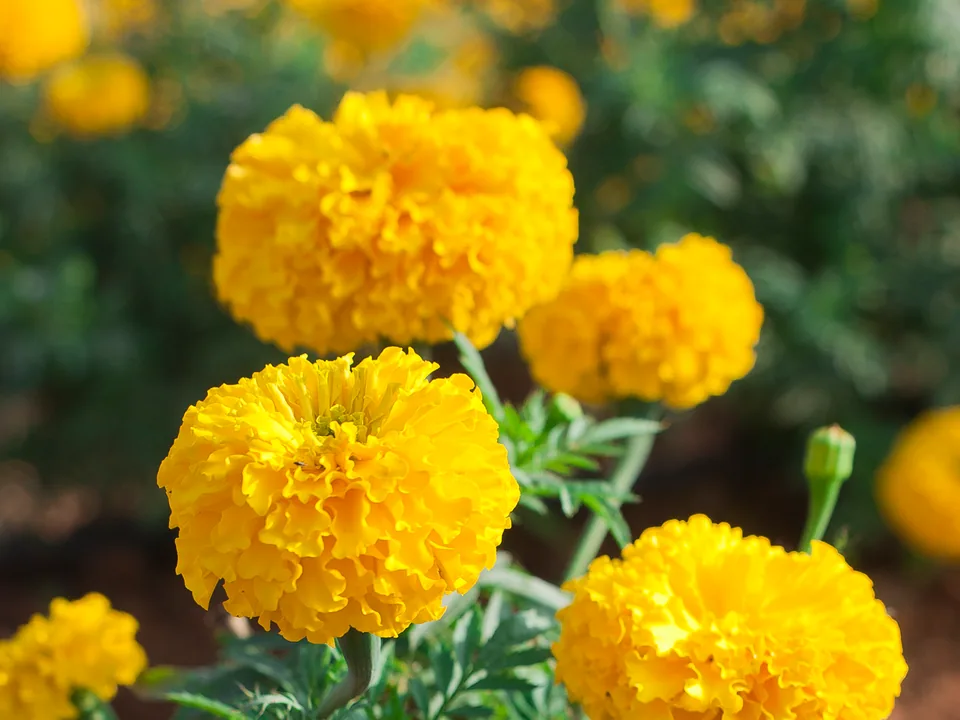
flowers
Tagetes spp.
Choose compact varieties for bed edges and larger types for cutting.
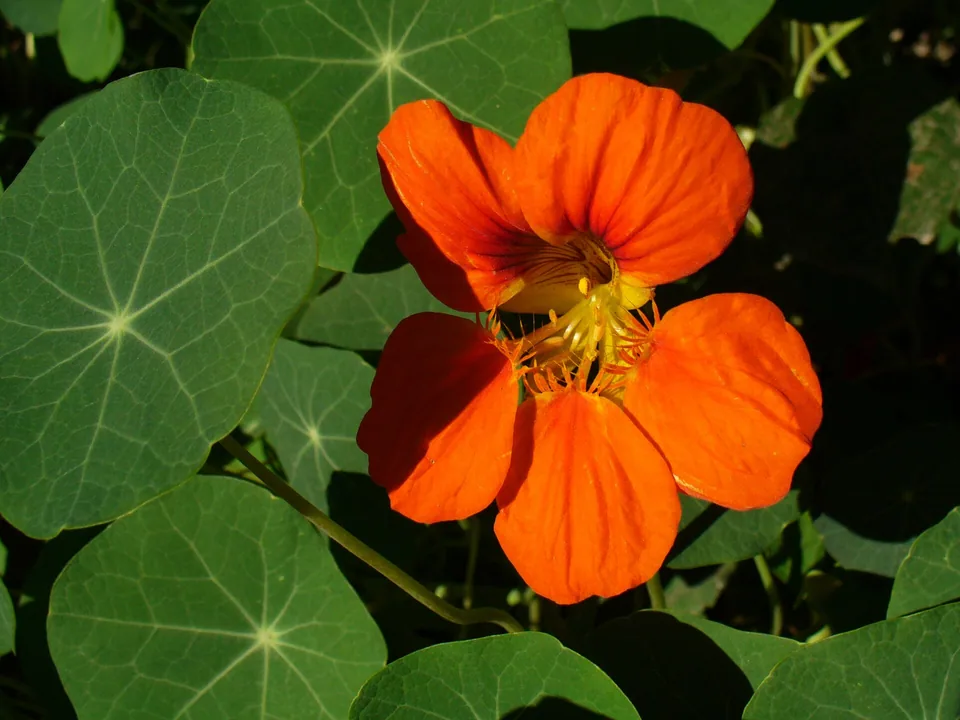
flowers
Tropaeolum majus
Trailing forms spill over bed edges; bush types stay more compact.
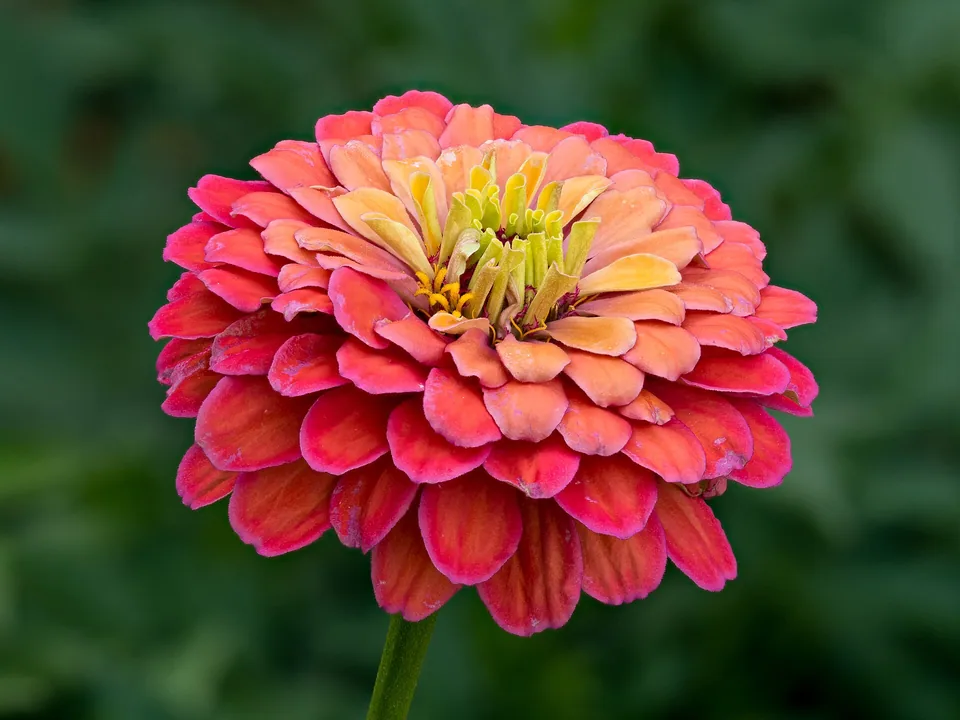
flowers
Zinnia elegans
Good airflow and watering at soil level help keep foliage dry.
Favorites are stored only in this browser. Spacing is a starting point; check the variety packet and local growing guidance.
How this library was expanded
Crop selection and editorial cues were developed from Alan Buckingham's Grow Vegetables, then bounded by current RHS guidance. The copy is newly written; no book photographs or page layouts are reproduced.
Every crop photograph is stored locally and links to its Wikimedia Commons author and license. Variety packets and regional Extension or RHS guidance should override broad ranges.
Open the expanded garden handbookRead the cards
A
Baby-leaf harvests can be closer. Full heads, sprawling vines, and airflow-sensitive crops need more room.
B
Variety, temperature, transplant stress, and day length can all move harvest earlier or later.
C
A cool-season crop may grow in winter in one climate and spring or fall in another.